
In This Guide
- Entry thresholds range from USD 10m to USD 50m
- Singapore's most-quoted minimum is the wrong one
- Mandated local spending is Singapore's hidden cost floor
- Singapore's licensing workaround ended on 15 June 2026
- Hong Kong has thousands of family offices and few regime claims
- The Hong Kong amendment bill is in flight, not in force
- Dubai is cheapest to enter and taxed at nine percent by default
- Switzerland has no regime, and that is the feature
- Where the family offices actually are
- Frequently Asked Questions
- Sources Used in This Guide
- Related Articles
Entry thresholds range from USD 10m to USD 50m
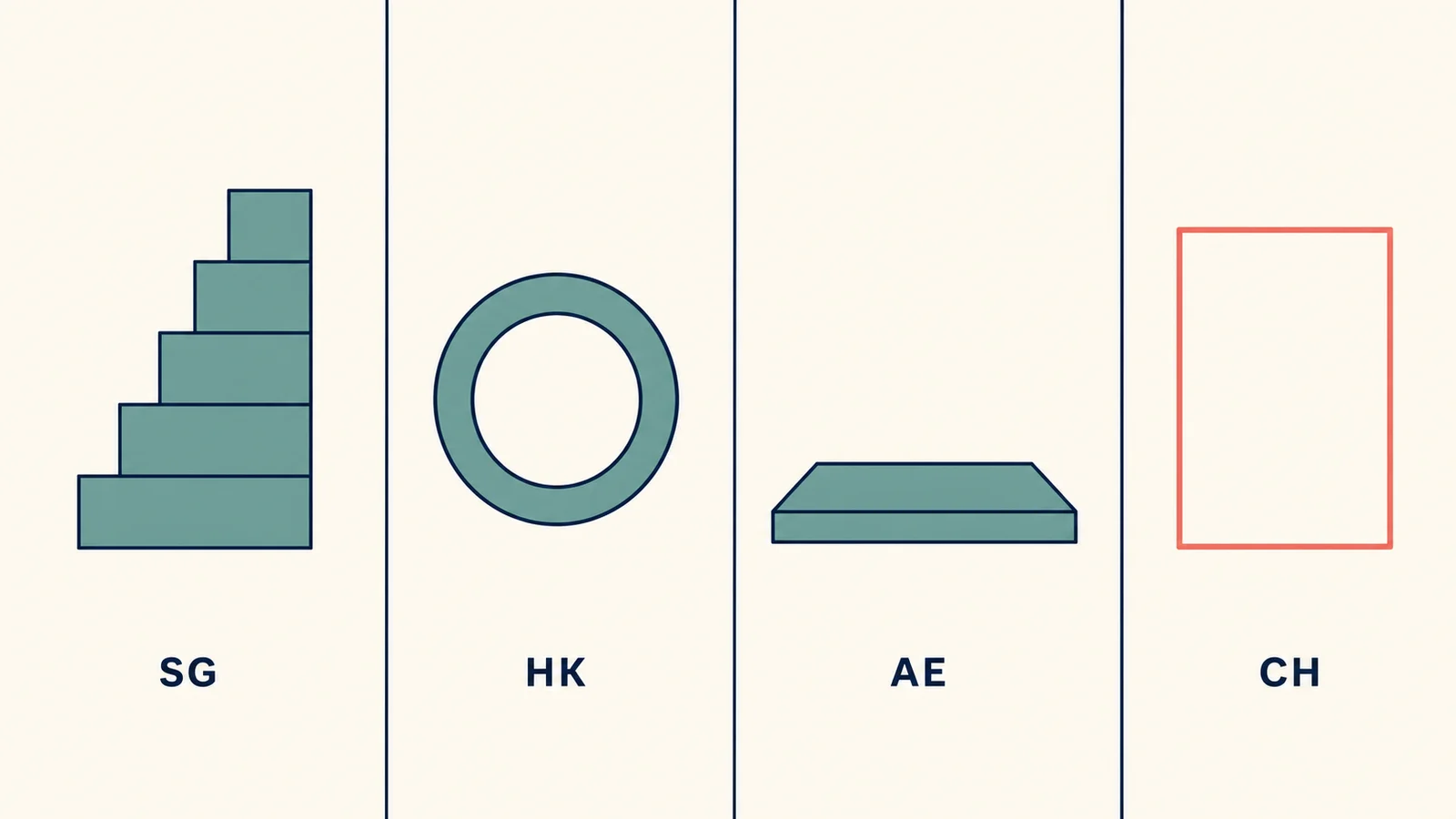
The cheapest formal entry sits in Abu Dhabi. ADGM registers a single family office on family net assets of USD 10m, with no minimum capital, no audit requirement and no financial services permission (ADGM). The most expensive sits in the same country: DIFC wants USD 50m of family-wide net assets at fair market value (LexisNexis). Five times the money, one emirate apart.
The threshold is the least interesting number here. What separates the hubs is what happens after you are in. Singapore grants 0% and attaches hard conditions to keeping it. Hong Kong grants 0% and most of its family offices never claim it. Dubai is cheapest to enter and taxes the entity at 9% by default. Switzerland has no regime at all.
Accuracy and scope: Rules and figures were checked against primary sources available through August 3, 2026. This is general information, not tax, legal, or financial advice.
| Singapore 13O | Singapore 13U | Hong Kong FIHV | Dubai DIFC | Dubai ADGM | Switzerland | |
|---|---|---|---|---|---|---|
| Minimum assets | S$20m designated investments | S$50m designated investments | HK$240m specified assets (~USD 31m) | USD 50m family net assets | USD 10m family net assets | None |
| Dedicated tax regime | Yes | Yes | Yes | No | No | No |
| Rate on qualifying income | 0% | 0% | 0% | 9% unless QFZP or Art. 17 | 9% unless QFZP or Art. 17 | Ordinary cantonal rates |
| Local staff | Investment professionals | Investment professionals | 2 full-time qualified employees | None specified | None specified | None |
| Minimum local spend | S$200k–S$1m by AUM tier | S$200k–S$1m by AUM tier | HK$2m operating expenditure | None | None | None |
| Capital deployment | Lower of 10% of AUM or S$10m | Lower of 10% of AUM or S$10m | None | None | None | None |
| Approval route | MAS notification, 14 days | MAS notification, 14 days | IRD assessment, no SFO license | Registrar license | No FSP required | No FINMA license for an SFO |
| Family definition | Ancestor 5 generations removed | Ancestor 5 generations removed | Ancestor, spouse, lineal descendants, siblings | 3 generations from ancestor | — | — |
Sources: Duane Morris & Selvam; Hong Kong IRD; ADGM.
Each hub also measures its threshold differently. Singapore counts designated investments inside the fund vehicle, Dubai counts the family's total net worth, and Hong Kong counts specified assets under management at end-of-period net asset value (Hong Kong IRD). A family can clear one test and fail another on the same balance sheet.
Singapore's most-quoted minimum is the wrong one
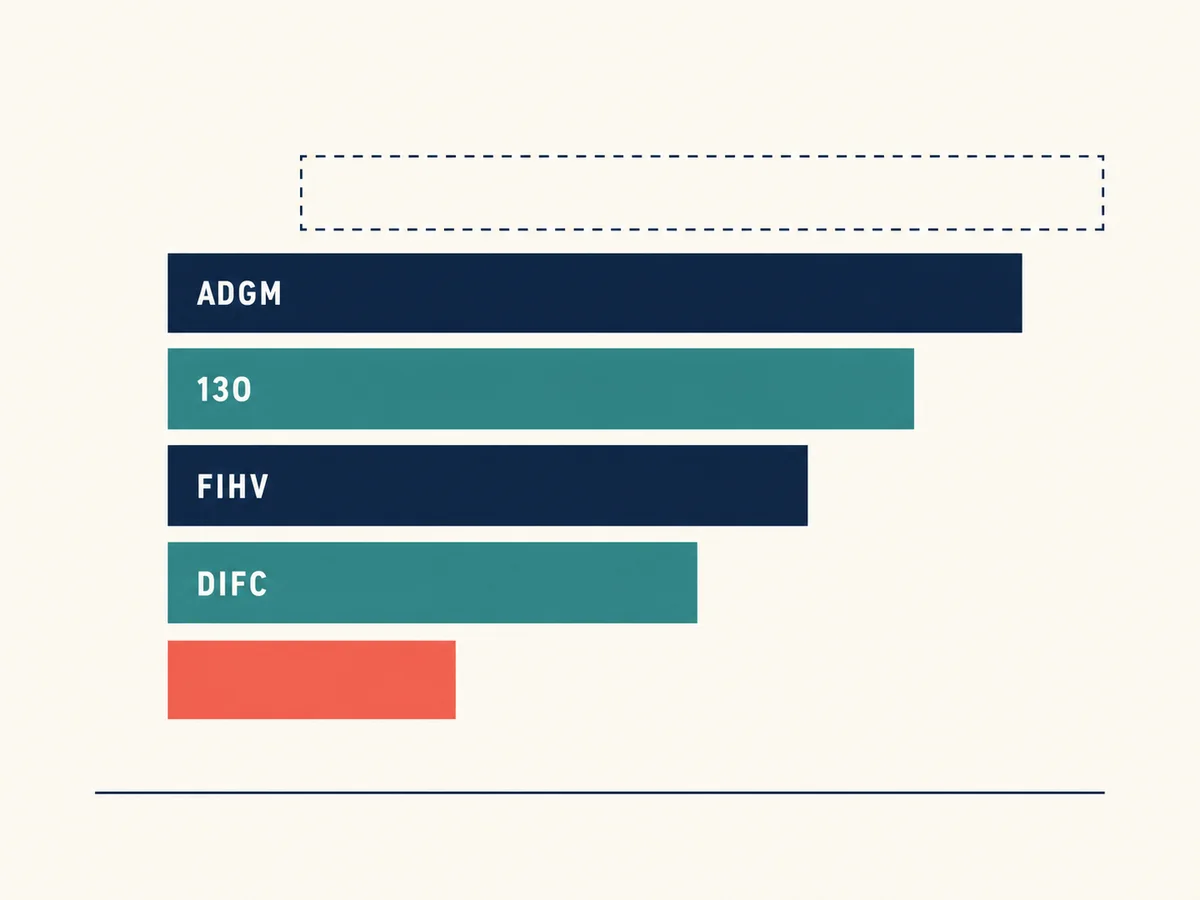
If you have read that Section 13O now starts at S$5m, the figure is real and it does not apply to you. It applies to funds run by a licensed third-party manager. Funds managed by a single family office stayed where they were: S$20m in designated investments for 13O, S$50m for 13U (Duane Morris & Selvam).
The reason is documented rather than inferred. The amendments effective 1 January 2025 do not extend to SFO-managed funds because "their economic commitments were reviewed previously in July 2023" (DLA Piper). Much recent commentary flattened the two rulebooks into one, and families have arrived at Singapore banks planning around a threshold four times too low.
The July 2023 conditions are also continuous, not one-off. The S$20m must be maintained throughout, grace periods were eliminated, and the fund must keep a private banking account with a MAS-licensed institution. Investment professionals must be Singapore tax residents paid at least S$3,500 a month (Duane Morris & Selvam). Published sources disagree on how many are required, so confirm the headcount with MAS.
Mandated local spending is Singapore's hidden cost floor
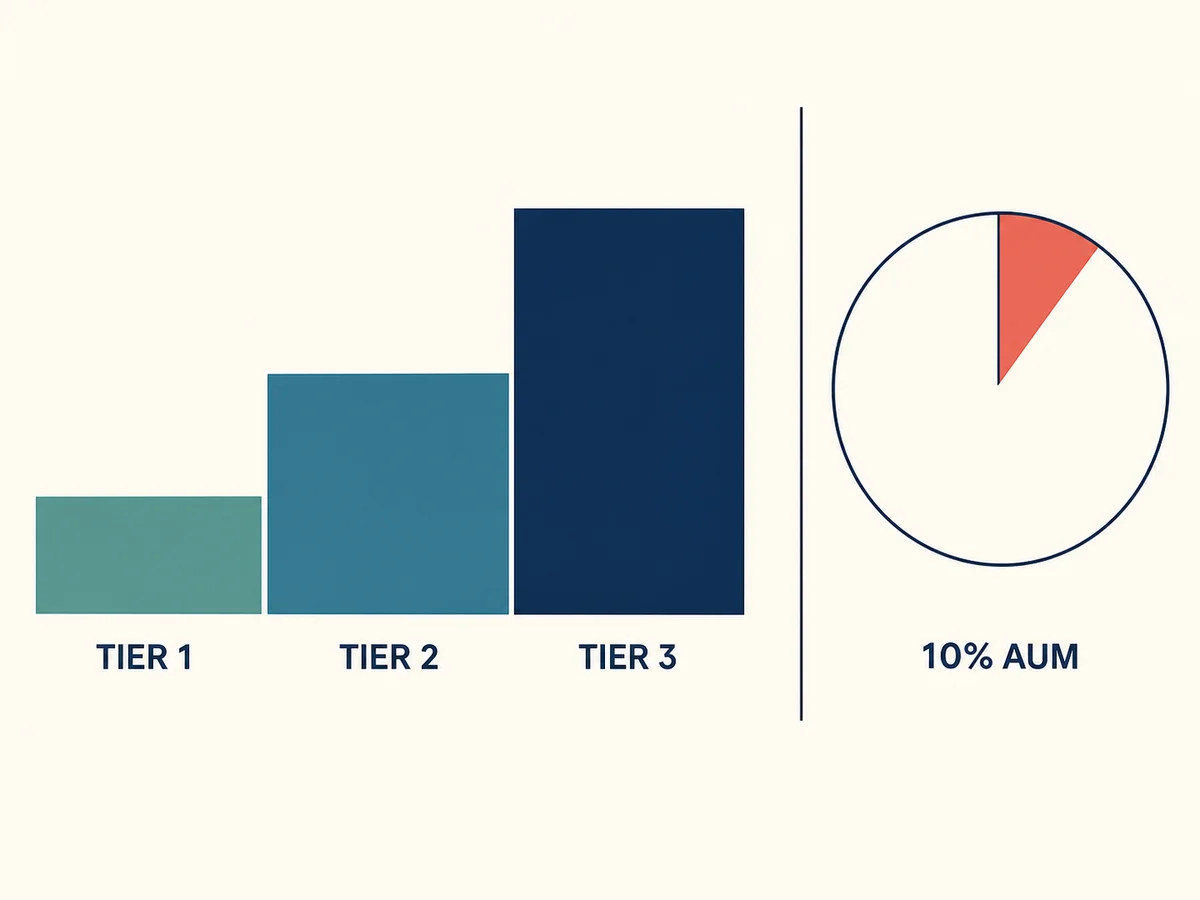
Singapore is the only one of the four that tells you how much to spend locally. For SFO-managed funds the tiers run S$200,000 a year below S$50m of AUM, S$500,000 from S$50m to under S$100m, and S$1,000,000 at S$100m and above (Withers). Miss the tier and the exemption is at risk.
Work the arithmetic at the bottom of the top band. A family office with exactly S$100m under management must spend S$1m a year in Singapore to hold its 0% rate. That is one percent of assets, mandated, before a single advisory fee. At S$300m the same S$1m is a third of a percent. The rule bites hardest on families closest to the entry threshold, which is the group most likely to be sold the 0% headline.
A second constraint governs where the money goes. By the first full-year declaration the fund must deploy the lower of 10% of AUM or S$10m into specified investments, with 2x credit for Singapore-listed equities and Singapore-focused ETFs (Duane Morris & Selvam). Singapore is not giving an exemption away. It is selling one.
Singapore's licensing workaround ended on 15 June 2026
Until this year Singapore family offices operated through a gap, leaning on the related-corporation exemption or a bespoke case-by-case exemption. Since 15 June 2026 a class exemption replaces both. A qualifying SFO notifies MAS within 14 days of commencing business, with no pre-approval, and files an annual return disclosing total AUM and its MAS-licensed bank accounts (Stephenson Harwood).
The family definition is generous: members sharing a common ancestor five generations removed, extending to spouses, in-laws and descendants without limit. Key employees' own assets may be managed alongside but must stay under 10% of AUM. Existing SFOs have until 15 June 2027 to transition (Stephenson Harwood). The trade is easier entry for more visibility, since MAS now knows every SFO, its size and where it banks. A Singapore holding company beneath the fund carries its own filing obligations.
Hong Kong has thousands of family offices and few regime claims
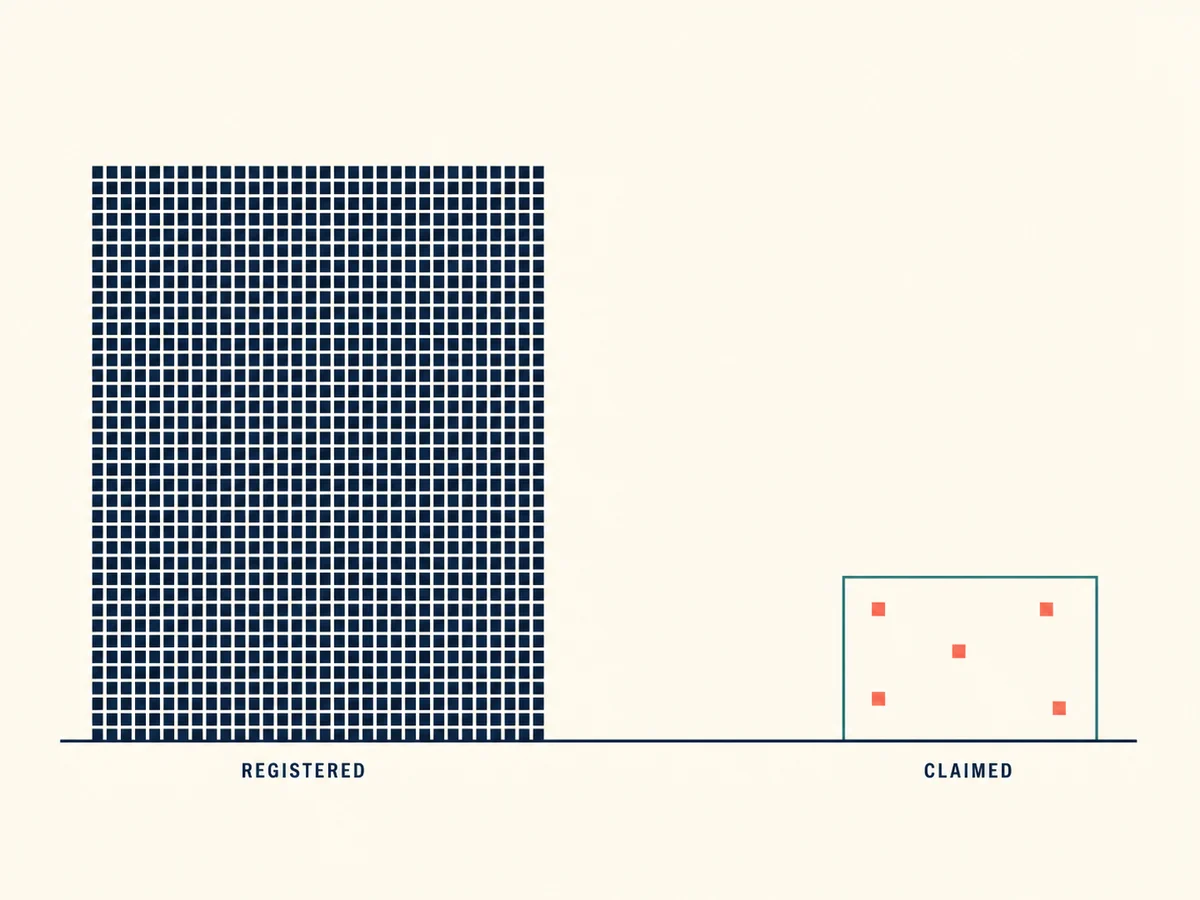
Hong Kong hosted more than 3,380 single family offices at the end of 2025, up roughly 680 in two years, employing over 10,000 professionals and spending about HK$12.6bn a year (HKSAR Government). Those figures come from a Deloitte study commissioned by InvestHK, and they open every Hong Kong pitch deck.
Set them against what the government told the Legislative Council in July 2025: "a relatively small number of applications for tax concession for FIHVs have been received" (HKSAR Government). The same reply recorded 192 family offices assisted from June 2021 to May 2025, out of 1,704 enquiries. Thousands of offices, a small number of claims. That gap is the most under-reported fact in this market.
Part of the answer is the bar. The regime taxes qualifying transactions at 0% for years of assessment beginning on or after 1 April 2022, but only where the eligible SFO manages at least HK$240m of Schedule 16C specified assets, employs two full-time qualified employees in Hong Kong and incurs HK$2m of local operating expenditure (Hong Kong IRD).
The larger answer is that many families do not need it. Hong Kong taxes territorially, and the Inland Revenue Department is blunt: "no tax is levied on profits arising abroad, even if remitted to Hong Kong." Capital gains are excluded from assessable profits, and taxable profits attract 16.5%, or 8.25% on the first HK$2m (Hong Kong IRD). Committing two hires and HK$2m of spend to formalize an outcome you already have is a poor trade.
The Hong Kong amendment bill is in flight, not in force
Hong Kong is trying to fix the uptake problem by widening what counts. A bill gazetted on 12 June 2026 and introduced to the Legislative Council that month expands Schedule 16C to cover loans, overseas immovable property, digital assets, insurance-linked securities, precious metals capped at 20% of the portfolio, commodities and carbon credits, and removes the 5% incidental-transaction cap (KPMG China).
It is not law. As of 30 July 2026 the bill had been introduced but not enacted, and on enactment it would apply retrospectively from 1 April 2025 (Baker McKenzie). Under current law a portfolio weighted toward overseas property or digital assets does not qualify. Build the vehicle so it works economically without the concession, and treat the 0% as upside.
Dubai is cheapest to enter and taxed at nine percent by default
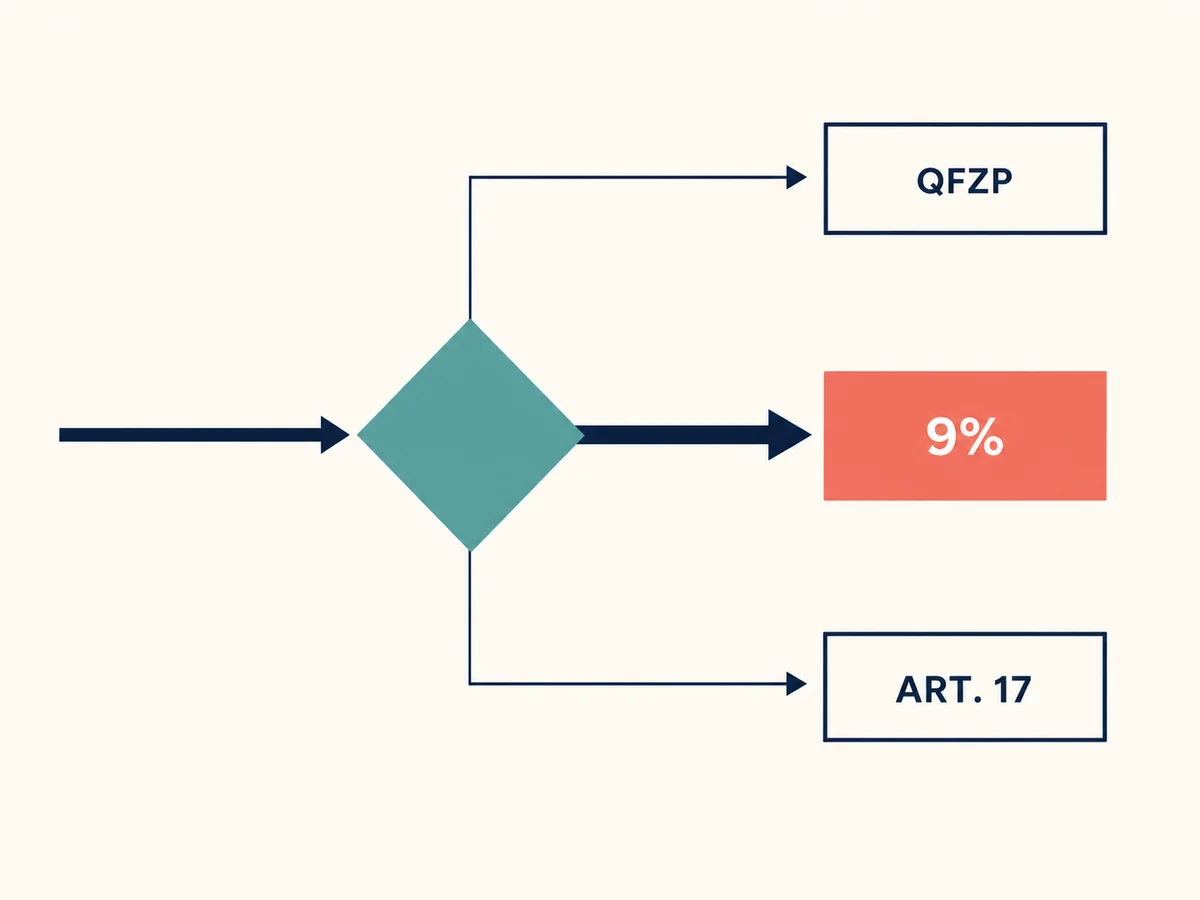
The UAE applies corporate tax at 0% on taxable income up to AED 375,000 and 9% above it, for financial years beginning on or after 1 June 2023 (UAE Government). This is the part most family office marketing skips. An unregulated single family office is generally taxable at 9%.
The mechanism is counterintuitive. The 0% free zone rate needs a Qualifying Free Zone Person earning Qualifying Income from a Qualifying Activity, and "wealth and investment management services" qualifies only where subject to the regulatory oversight of the competent authority (HAS Law via Mondaq). An office managing only its own family's money is not regulated. The exemption that makes Dubai cheap to enter can cost the entity its 0% rate.
There are answers. A Family Foundation may elect tax transparency under Article 17, so income is treated as the founders' and beneficiaries' (UAE Federal Tax Authority). UAE-resident individuals remain exempt on personal investment income, so the principal's position is clean. It is the entity that needs structuring, and the foundation-versus-trust choice usually decides it.
ADGM is the low-friction option: USD 10m of family net assets, no minimum capital, no audit, foundations from USD 100 of initial assets, and a Category 4 permission only for multi-family offices (ADGM). DIFC asks five times the assets under its Family Arrangements Regulations, effective 31 January 2023, licenses through the Registrar rather than the DFSA, and caps the family at three generations (LexisNexis).
Switzerland has no regime, and that is the feature
Switzerland offers no family office incentive, no AUM minimum, no mandated local spending, no deployment requirement and no licensing gate for a genuine single family office. Nothing to apply for and nothing to lose. For a family that has read the Singapore and Hong Kong conditions and decided a regime you can fall out of is worse than no regime, the absence is the product.
The compensation sits at the principal's level. Expenditure-based taxation, the lump sum, is open to foreign nationals taking Swiss tax domicile for the first time or after at least ten years abroad, provided they are not gainfully employed in Switzerland, and eligibility ends on acquiring citizenship or Swiss employment (Swiss Federal Department of Finance).
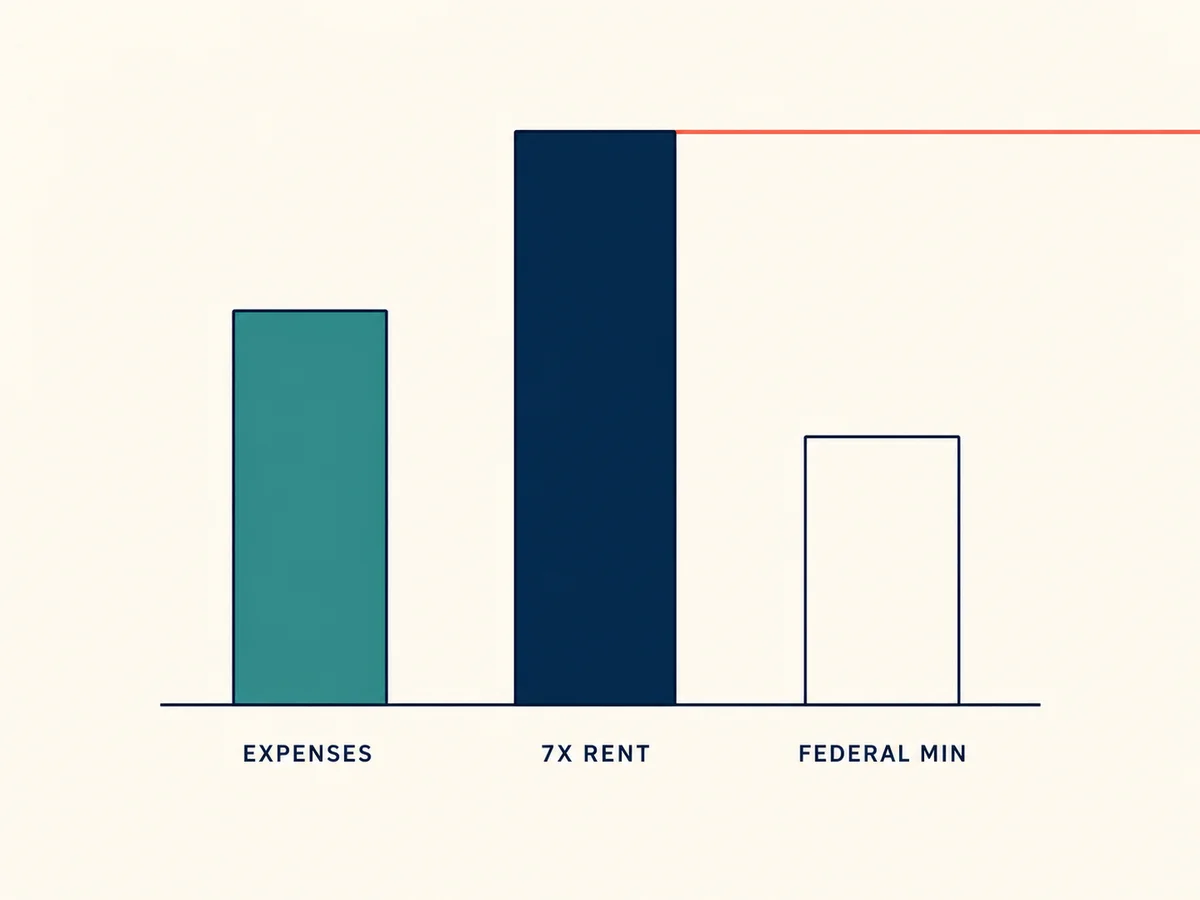
The base is the highest of actual worldwide living expenses, seven times the annual rent or rental value of the main residence, or the federal minimum, approximately CHF 435,000 for 2026. Sources differ slightly on that minimum, so treat it as an order of magnitude. Lump-sum taxpayers also pay cantonal wealth tax on a minimum deemed base, without full asset disclosure (KPMG Switzerland).
Where you live inside Switzerland decides whether any of this exists. Five cantons abolished the lump sum outright, Zurich first in January 2010, then Schaffhausen, Appenzell Ausserrhoden, Basel-Landschaft and Basel-Stadt, while Thurgau, St Gallen, Lucerne and Bern tightened it (Swiss Federal Department of Finance). This is a canton decision, not a country decision.
| Hub | Fund or vehicle level | Principal level | Capital gains | The catch |
|---|---|---|---|---|
| Singapore | 0% on specified income under 13O or 13U; ordinary corporate tax otherwise | No tax on dividends, single-tier system | No general capital gains tax | Conditions must hold continuously, not only at application |
| Hong Kong | 0% under FIHV if the HK$240m and substance tests are met; otherwise 16.5%, or 8.25% on the first HK$2m | Salaries tax on employment income only | Excluded from assessable profits | Territorial basis already leaves offshore income untaxed |
| Dubai | 9% above AED 375,000 for an unregulated SFO; 0% for a QFZP; Art. 17 transparency for a Family Foundation | No personal income tax; investment income exempt | Not taxed for residents on personal investment income | Managing the family's own money is unregulated, so QFZP is not automatic |
| Switzerland | Ordinary federal and cantonal corporate tax, varying by canton | Ordinary income and wealth tax, or the lump sum | Private capital gains generally exempt for individuals | Five cantons abolished the lump-sum basis |
Sources: Hong Kong IRD; UAE Government; KPMG Switzerland. Singapore's headline corporate rate and current Swiss cantonal rates were not confirmed against a primary source here, so no figures are given.
Where the family offices actually are
The UBS Global Family Office Report 2026 surveyed 307 family offices across more than 30 markets between 22 January and 30 March 2026, finding average family net worth of USD 2.7bn and average office AUM of USD 1.3bn across USD 627.4bn of surveyed wealth (UBS). A family entering ADGM at USD 10m arrives at under one percent of that average.
| Hub | Family office population | As at | Source quality |
|---|---|---|---|
| Hong Kong | 3,380+ single family offices | End-2025 | HKSAR Government, citing a Deloitte study for InvestHK |
| Hong Kong | ~2,700 single family offices | End-2023 | HKSAR Government |
| Dubai (DIFC) | 1,408 family-business entities, 1,409 foundations | 30 June 2026 | Press reporting of DIFC results |
| Singapore | ~2,000 SFOs with tax incentives (approximate) | End-2024 | Attributed to MAS but unconfirmed |
| Switzerland | No official count located | — | — |
Sources: HKSAR Government, and Gulf News reporting DIFC H1 2026 results, cited below.
Treat the Singapore line with care: roughly 2,000 SFOs with incentives by end-2024 is attributed to MAS across secondary sources but unconfirmed, and a competing count of 1,400-plus circulates. DIFC's growth is easier to observe, at 10,018 active firms by 30 June 2026 including 1,409 foundations, up 67% year on year (Gulf News). Foundations outgrowing entities suggests the holding structure arrives first.
One caution on cost. Every published setup and running cost range traces back to service providers selling the service, and the operating-cost figures widely attributed to UBS do not appear in the UBS report. The only hard number here is Singapore's mandated local spend of S$200,000 to S$1,000,000 a year, because it is a legal condition (Withers).
So the decision resolves cleanly enough. Families under USD 30m should look at ADGM first and accept the entity may pay 9% unless Article 17 fits. Families with a real Asian investment program and staff willing to relocate get value from 13O or 13U. Families already invested offshore should ask whether Hong Kong's territorial system does the job unaided. Families focused on the principal rather than the entity should be comparing cantons.
Frequently Asked Questions
Does a single family office need a license?
It varies sharply. Singapore moved to a notification-based class exemption on 15 June 2026, so an SFO tells MAS within 14 days of starting rather than seeking approval (Stephenson Harwood). DIFC requires a Registrar license but not DFSA authorization, ADGM requires no financial services permission, and Hong Kong does not license the SFO at all.
Is Dubai really tax-free for a family office?
For the principal, largely yes. For the entity, often no. Corporate tax applies at 9% above AED 375,000 (UAE Government), and an unregulated single family office generally cannot reach the 0% free zone rate, because managing your own family's money is not a regulated Qualifying Activity. The usual answer is a Family Foundation electing Article 17 transparency.
Why do so few Hong Kong family offices claim the 0% concession?
The bar is demanding: HK$240m of specified assets, two full-time qualified employees and HK$2m of local expenditure. More fundamentally, Hong Kong's territorial system already exempts offshore profits and excludes capital gains, so many families gain nothing measurable. Against 3,380-plus offices, the government reported only "a relatively small number" of applications (HKSAR Government).
Which hub is cheapest to run?
We cannot give costed figures, because every published range comes from providers selling the service. What holds up is that Dubai mandates no local spending, Hong Kong requires HK$2m of operating expenditure to claim the concession, and Singapore requires S$200,000 to S$1,000,000 a year by AUM tier (Withers). Switzerland mandates nothing but is the most expensive place to staff an office.
This guide is for general information only and is not tax advice. A qualified professional should review your specific facts before you act.
Sources Used in This Guide
- Duane Morris & Selvam: Singapore 13O and 13U criteria
- Withers: Singapore fund management tax incentives
- DLA Piper: Amendments to the Singapore fund tax incentive schemes
- Stephenson Harwood: Singapore's SFO licensing exemption framework
- Hong Kong IRD: Family-owned investment holding vehicles
- Hong Kong IRD: Profits tax
- KPMG China: Draft law widening the Hong Kong family office regime
- Baker McKenzie: Hong Kong enhanced tax concession regimes
- HKSAR Government: Hong Kong's family office ecosystem
- HKSAR Government: LCQ9 on family office business
- LexisNexis Middle East: DIFC family office licensing regime
- ADGM: Family offices
- UAE Government: Corporate tax
- UAE Federal Tax Authority: Taxation of family foundations
- HAS Law via Mondaq: UAE tax treatment of family wealth structures
- Gulf News: DIFC reaches 10,018 firms in H1 2026
- Swiss Federal Department of Finance: Lump-sum taxation
- KPMG Switzerland: Lump-sum taxation
- UBS: Global Family Office Report 2026
Related Articles
- Singapore Company Formation Guide — covering the Singapore corporate base layer beneath a 13O or 13U fund.
- Switzerland Tax Guide: Cantonal Lump-Sum Taxation — covering the Swiss lump-sum regime for principals, canton by canton.
- Liechtenstein Foundations and Tax — covering the neighboring foundation option.
- Offshore Trust vs Foundation: Which and Where — covering the holding-structure choice beneath the family office.