
In This Guide
- What replaced the remittance basis, and who still gets relief
- Ten clean years of non-residence is the only door in
- What qualifies, and what claiming costs you
- Overseas Workday Relief runs four years now, with a cap
- The Temporary Repatriation Facility closes after 2027-28
- Rebasing to April 2017 rewards people who actually claimed
- Inheritance tax follows residence, and it follows you out
- Trust protections are gone, with one late concession
- What the 2025 and 2026 updates actually changed
- Frequently Asked Questions
- Sources Used in This Guide
- Related Articles
What replaced the remittance basis, and who still gets relief
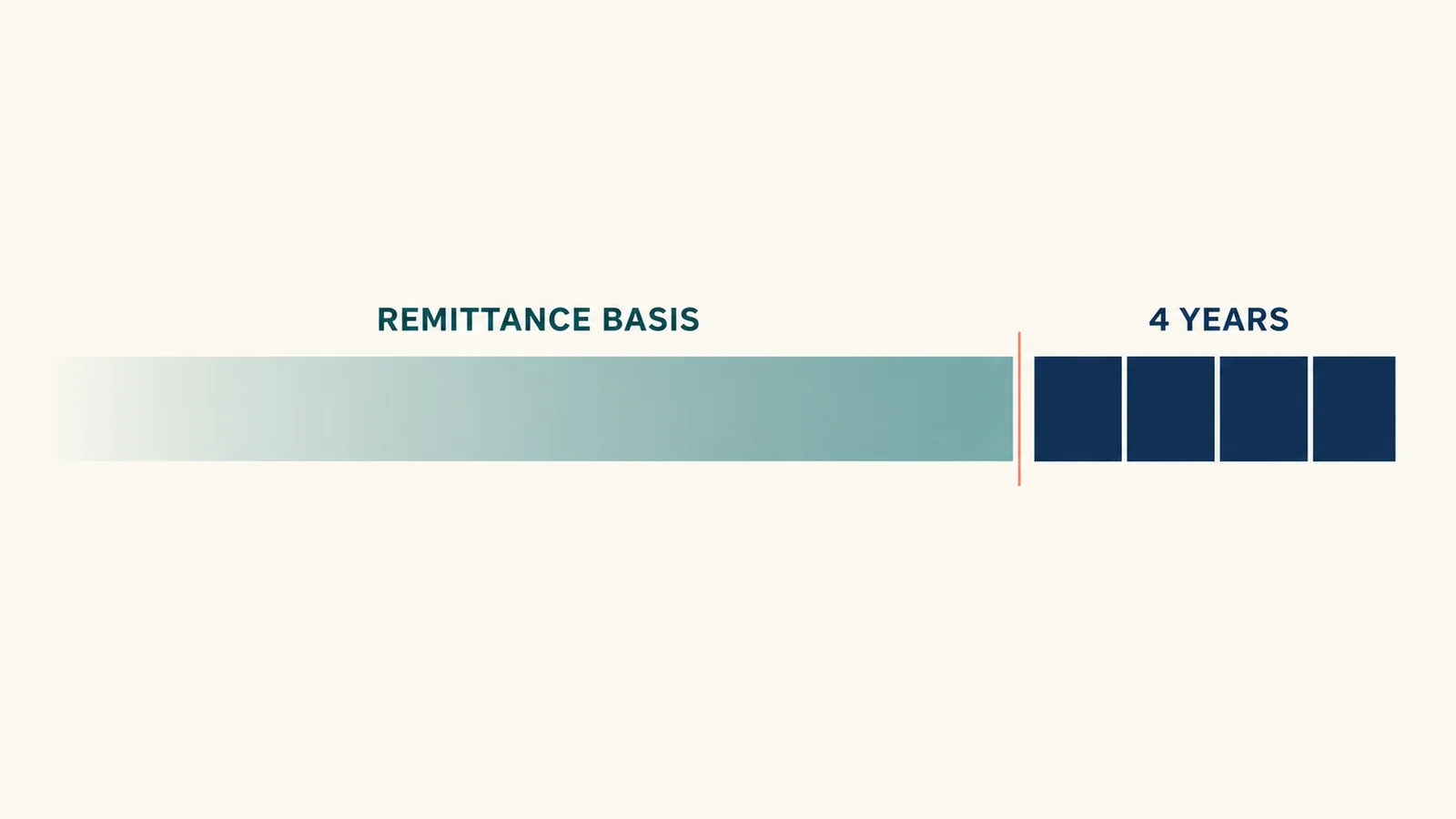
The remittance basis died on 6 April 2025. HMRC's wording is flat: "On 6 April 2025 the foreign income and gains regime replaced the remittance basis" (GOV.UK). Domicile went with it, replaced across the tax system "by a system based on tax residence" (HMRC technical note). Everything now runs off the Statutory Residence Test.
The replacement is shorter and much cleaner. Relief lasts four consecutive tax years rather than up to fifteen, and only people with ten consecutive tax years of non-UK residence behind them qualify (RFIG44000). Inside the window, relief is total, entry is free, and the money can come to the UK whenever you want. The £30,000 and £60,000 remittance basis charges are gone (OBR).
So: arrived in 2022-23 or later after a decade abroad, you have claimable years left. UK resident since 2019, you have none.
Accuracy and scope: Rules and figures were checked against primary sources available through August 3, 2026. This is general information, not tax, legal, or financial advice.
| Feature | Remittance basis (to 5 April 2025) | 4-year FIG regime (from 6 April 2025) |
|---|---|---|
| Entitlement | Non-UK domicile | 10 consecutive tax years of non-UK residence, SRT only |
| Duration | Up to 15 years, then deemed domiciled | 4 tax years, no extension |
| Entry cost | £30,000 after 7 of 9 years; £60,000 after 12 of 14 | None |
| Relief | Only while income stays offshore | Full, and remittable freely |
| Money into the UK | Taxable remittance at full rates | No charge, any year |
| Personal Allowance and CGT exemption | Lost when claiming | Lost when claiming |
| Foreign employment income | OWR, 3 years, offshore account required | OWR, 4 years, no offshore account, capped |
| Settlor-interested offshore trusts | Protected from 2017 | Protected only inside the window, if claimed |
| IHT on non-UK assets | Deemed domiciled at 15 of 20 years | Long-term resident at 10 of 20 years |
| Claim | Self Assessment | Self Assessment, source-by-source, amounts quantified |
Source: HMRC technical note.
One piece of the old system survives: foreign income and gains arising before 6 April 2025 stay taxable on remittance indefinitely, at normal rates. That pool does not age out, which is why the Temporary Repatriation Facility exists.
Ten clean years of non-residence is the only door in
To claim, you must be a "qualifying new resident." The conditions are mechanical: UK resident for the year; not UK resident in any of the ten consecutive tax years immediately before; not a member of the Commons or the Lords; and at least ten years old at the start of the year. The statutory hook is section 845B ITTOIA 2005 (RFIG44000). Nationality appears nowhere. Neither does domicile.
Relief runs four consecutive tax years: the first qualifying year plus the three following. Unclaimed years cannot be banked and used later.
The trap is in how residence is measured. HMRC closed the obvious escape route in advance: "Treaty residence elsewhere under a Double Taxation Agreement (DTA) tie-breaker will not be relevant for the purpose of determining eligibility" (HMRC technical note). Spend two years treaty-resident in Dubai while still SRT-resident in the UK and those years count against you. A split year counts as a full year too.
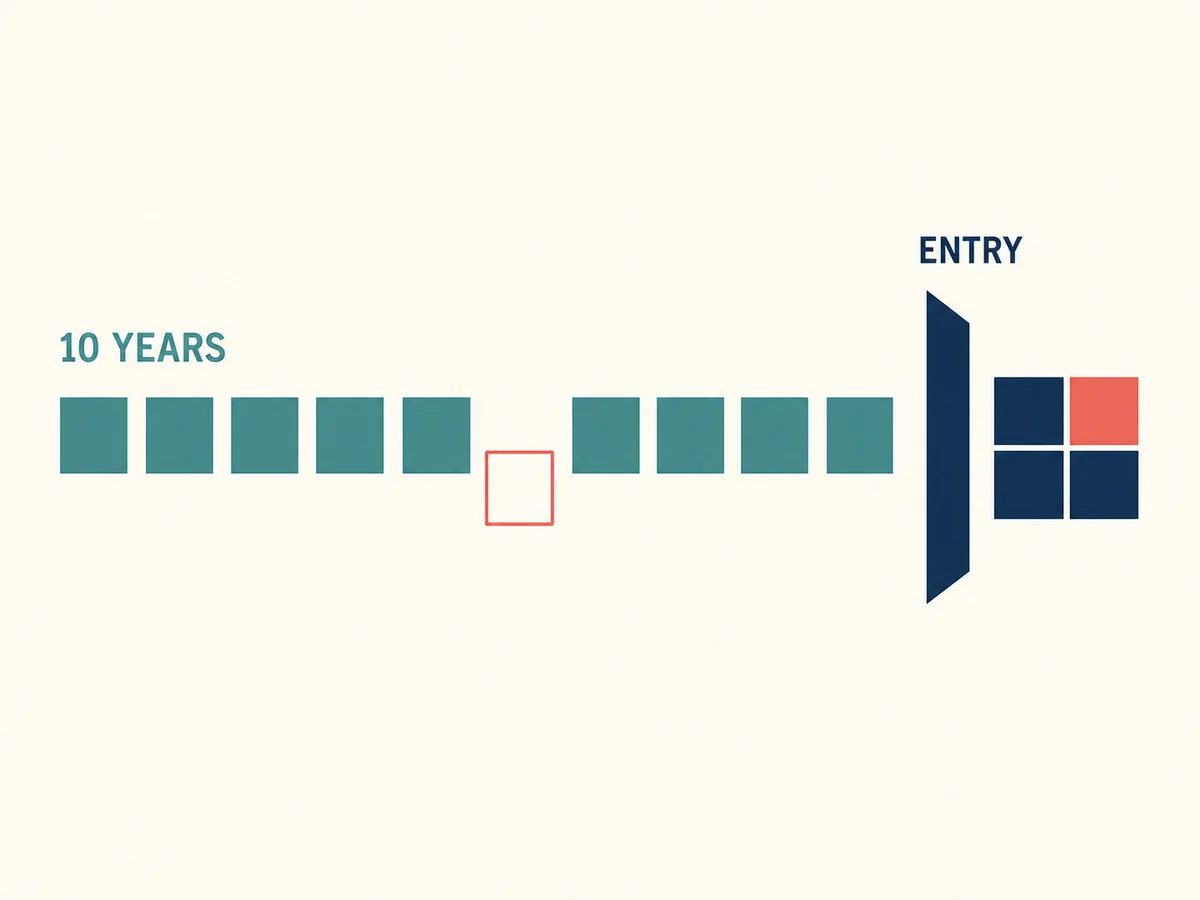
A transitional rule helps people already here. If your four-year window opened before 6 April 2025, you can use the regime from 2025-26 until it closes, so arrivals from 2022-23 onward still have something. HMRC's worked example is someone UK resident from 2022-23 after a decade away: exactly one claimable year (eligibility checker).
Leaving mid-window does not pause the clock. Non-resident in years two and three, you can still claim year four on return, but there is no year five. Returning former remittance basis users get nothing on old money.
What qualifies, and what claiming costs you
Qualifying foreign income covers roughly twenty categories, including trade profits, property business profits, non-UK dividends, interest, certain pension income, offshore income gains, royalties, and income deemed to arise under the Transfer of Assets Abroad provisions and the Settlements Legislation (HMRC technical note). Foreign employment earnings are excluded; they route through Overseas Workday Relief.
Qualifying gains cover non-UK situated assets, gains attributed to participators in non-UK companies, section 86 TCGA 1992 settlor-attributed gains, and beneficiary-attributed gains under section 87 and Schedule 4C. One carve-out matters: for FIG purposes only, an asset deriving at least 75% of its value from UK land, where you hold a substantial interest, counts as UK-situated.
The price is fixed. Claiming costs you the Personal Allowance, currently £12,570 (GOV.UK), the CGT Annual Exempt Amount of £3,000 (GOV.UK), plus blind person's allowance, married couple's allowance and the transferable marriage allowance. HMRC is blunt about the trigger: the loss "will apply regardless of whether a claim is made for only income or only gains, or only an election for OWR is made."
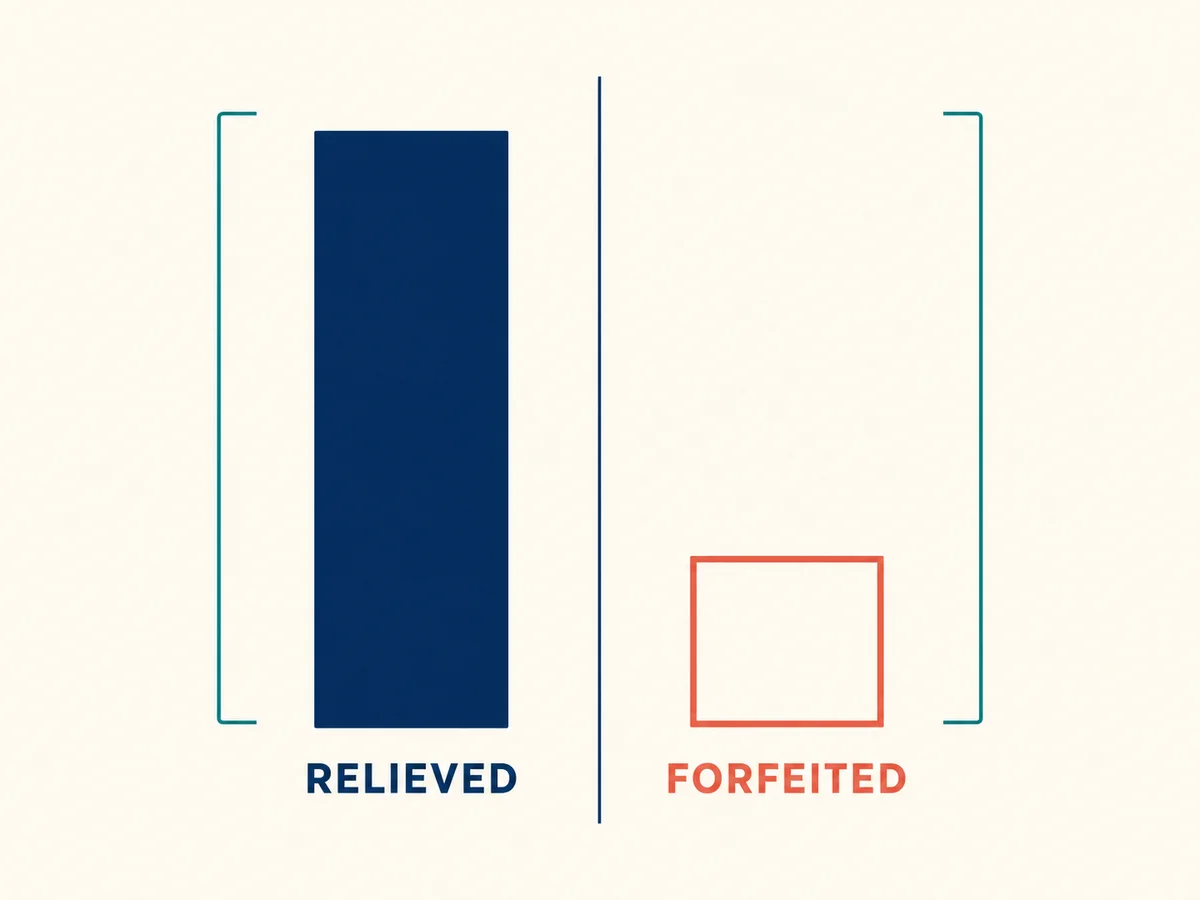
Claims are made source by source, so partial claims work, but the allowance loss is all-or-nothing once any claim exists. The arithmetic only fails at the bottom. Against £8,000 of foreign dividends, surrendering £15,570 of allowances is a losing trade. Against £400,000 of foreign trading profit, it is a rounding error.
Claims go on form SA109, and every relieved amount must be quantified. Where amounts are not quantified, "individuals will remain chargeable and subject to tax at their usual rates" (HS266). Two restrictions bite in a claim year: no foreign income or capital losses, and no Foreign Tax Credit Relief on relieved income. The deadline is 31 January in the second tax year after the claim year, so 2025-26 is due by 31 January 2028.
Against that sits the biggest improvement: relieved FIG can be remitted to the UK freely, in any year, with no charge and no reduction in the amount claimable.
Overseas Workday Relief runs four years now, with a cap
OWR came out of the reform better than most reliefs. From 6 April 2025 it runs four years rather than three, keys off FIG regime eligibility instead of domicile, and drops the requirement to keep earnings in an offshore account (EIM43600).
The trade is a cap: the lower of 30% of qualifying employment income or £300,000 per tax year. HMRC's worked example makes it concrete. £1.2 million of qualifying earnings with £480,000 attributable to overseas duties gives a limit of the lower of £300,000 or £400,000, so relief is £300,000 and the balance is taxable (HMRC technical note).
Two details catch people. OWR gives no National Insurance relief. And employees part-way through a pre-2025 claim who are not FIG-eligible keep the old three-year entitlement without the new financial limits, which for a high earner mid-assignment can be worth more.
The Temporary Repatriation Facility closes after 2027-28
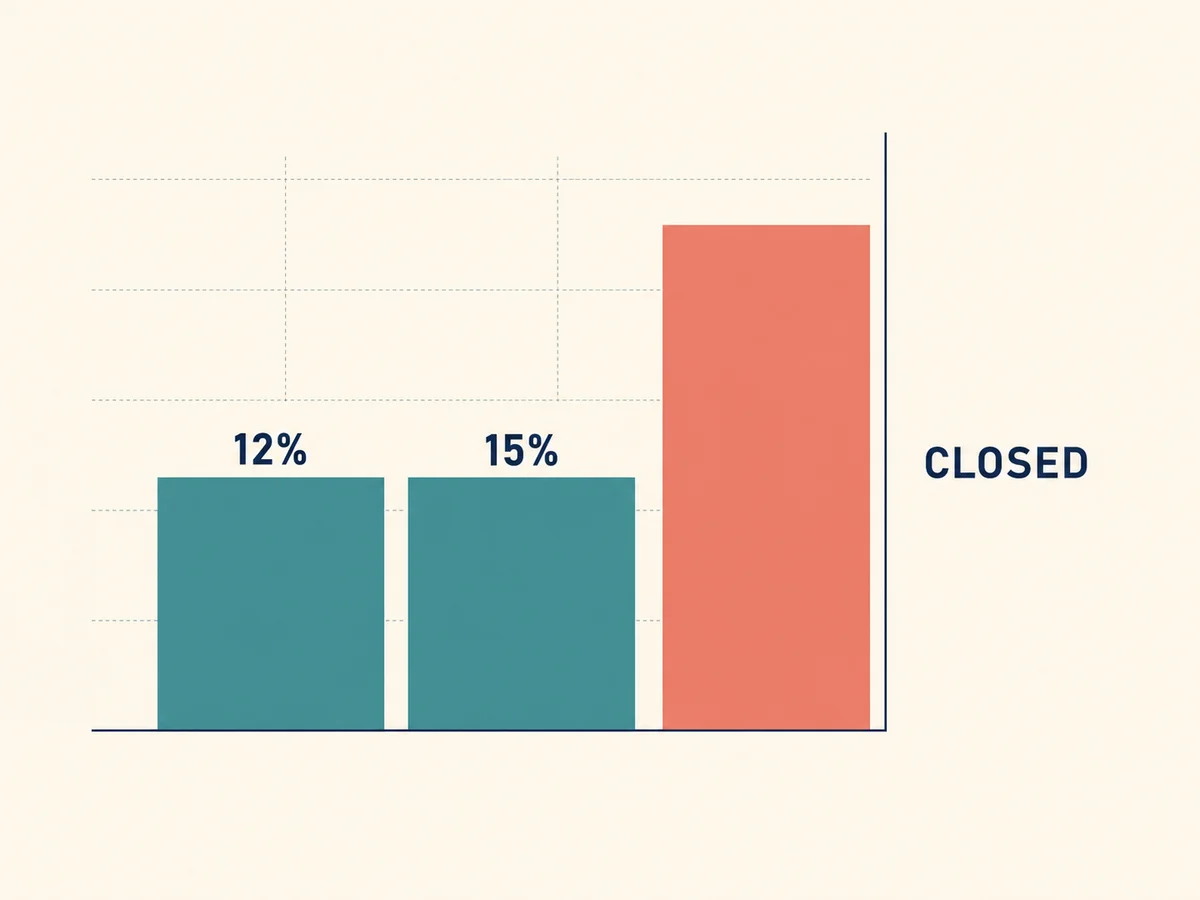
The TRF is a three-year amnesty on pre-2025 foreign income and gains. Designate an amount, pay the charge, and that money can come to the UK free of further tax. The window is 2025-26, 2026-27 and 2027-28, and nothing follows it (RDRM73400).
| Tax year | Charge rate | Designation deadline | OBR assumed yield | OBR assumed share of individual designations |
|---|---|---|---|---|
| 2025-26 | 12% | 31 January 2027 | £4.4bn | 30% |
| 2026-27 | 12% | 31 January 2028 | £9.2bn | 60% |
| 2027-28 | 15% | 31 January 2029 | £2.5bn | 10% |
| 2028-29 on | Not available | — | Small net loss | — |
Sources: RDRM73400; OBR Table 1.1.
Two conditions gate access. You must be UK resident in the year you designate, and you must have previously claimed the remittance basis (HS264). Non-residents cannot use it, so anyone planning to leave should designate before departure.
Designated amounts jump to the top of the mixed fund ordering rules. Better still, funds of uncertain or unrecorded origin can be designated. For anyone with a decades-old account of undocumented composition, that is the reform's most valuable concession.
No foreign tax credit is available against the charge. And one trap deserves reading twice: pay the TRF charge itself out of undesignated pre-2025 foreign funds and that payment is an ordinary taxable remittance at full rates (RDRM73400). The old remittance basis charge could be paid from offshore without triggering a remittance. This one cannot.
The OBR flags its own take-up assumptions, 35% of individually held assets and 50% of trust-held, as "highly uncertain." Read the yields as forecast, not measurement.
Rebasing to April 2017 rewards people who actually claimed
Current and past remittance basis users can rebase personally held foreign assets to their 5 April 2017 market value on disposals from 6 April 2025 (HMRC technical note). On an asset bought in 2005 and held since, that erases twelve years of gain.
Four conditions apply, and all four are required:
- Never UK domiciled or deemed domiciled at any time before 2025-26.
- An actual remittance basis claim in at least one year from 2017-18 to 2024-25. Automatic entitlement under the £2,000 de minimis does not count.
- The asset held on 5 April 2017 and disposed of on or after 6 April 2025.
- The asset situated outside the UK throughout 6 March 2024 to 5 April 2025.
The second condition quietly disqualifies people whose foreign income was too small to need a claim. Rebasing is also unavailable to trustees and companies, and an election can disapply it asset by asset.
Inheritance tax follows residence, and it follows you out
From 6 April 2025, IHT on non-UK assets turns on "long-term UK residence": UK resident for at least ten of the twenty tax years immediately preceding the tax year of the chargeable event (IHTM47020). For anyone aged twenty or under, the test is residence in at least half the tax years since birth. UK situs assets stay in scope regardless of where you live.
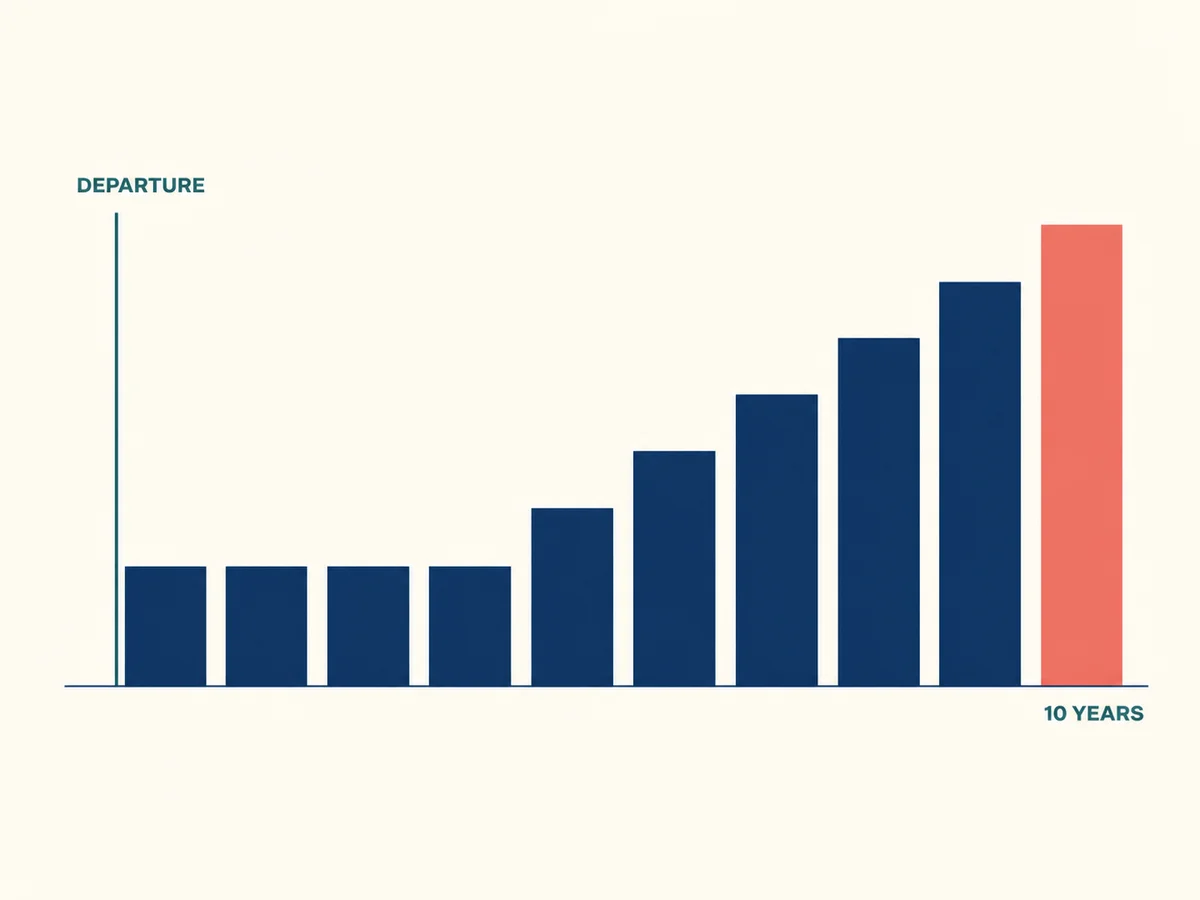
Status resets after ten consecutive years of non-residence, mirroring the FIG regime's test. Getting there takes longer than most people expect, because exposure does not end when the plane does.
| Years UK resident (of last 20) | Tax years still in IHT scope after departure |
|---|---|
| 10 to 13 | 3 |
| 14 | 4 |
| 15 | 5 |
| 16 | 6 |
| 17 | 7 |
| 18 | 8 |
| 19 | 9 |
| 20 or more | 10 |
Source: IHTM47020.
Read that as a planning instrument. The tail is flat at three years up to thirteen years of residence, then adds a year for each further year, to a maximum of ten. Leave after thirteen years and you carry three years of worldwide IHT exposure. Stay two more and you carry five.
A transitional rule protects people who had already gone. Someone non-domiciled or deemed domiciled who was non-UK resident in 2025-26 is long-term resident only if they meet the old deemed domicile test: resident in at least fifteen of the twenty preceding tax years, and resident in at least one of the four tax years ending with the relevant year (IHTM47021). It does not extend to anyone UK domiciled under common law on 30 October 2024.
Trust protections are gone, with one late concession
The 2017 trust protections were removed on 6 April 2025. Foreign income and gains in a settlor-interested trust are now "taxed on the settlor on the same basis as UK domiciled settlors, unless the settlor is eligible for and claims the 4-year FIG regime" (HMRC technical note). "Tainting" disappears with them, since income is taxable on a UK resident settlor as it arises whatever the trustees do.
The IHT change is structurally larger. Excluded property status is no longer fixed at the date assets entered the trust. Non-UK settled assets are excluded property only while the settlor is not long-term resident, so they move in and out of charge as the settlor's status changes.
Beneficiaries fare better. Anyone who qualifies for and claims the FIG regime can receive trust benefits free of UK tax whether or not received in the UK, and those benefits are not matched against the trust's pools of unmatched income or gains (RFIG45250). For a family with an existing structure and an arriving heir, that is a four-year distribution window.
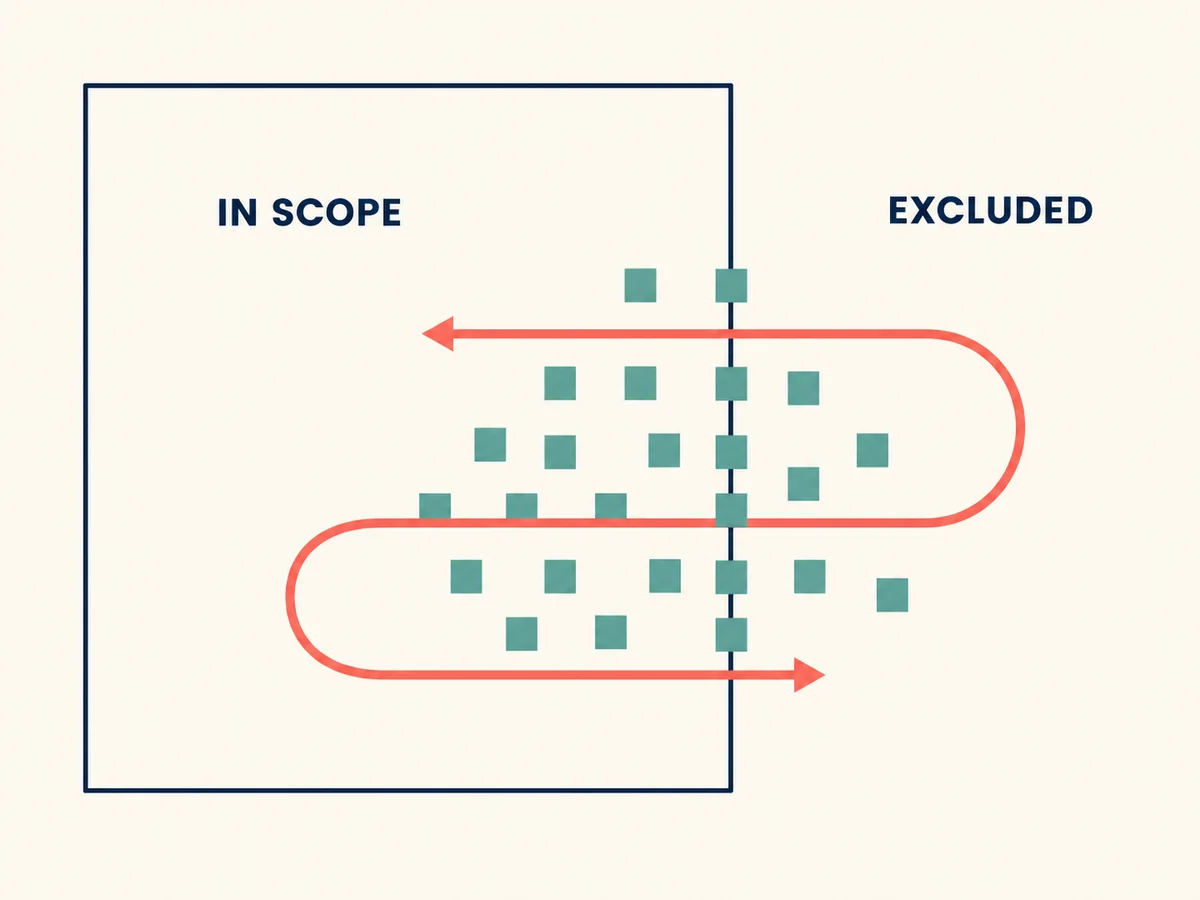
At Autumn Budget 2025 the government softened the worst of it. The policy paper sets out a £5 million cap on relevant property IHT charges, per settlement, per ten-year cycle, for settled property that was excluded property on 30 October 2024 and sits outside the UK at the time of the charge. It applies retrospectively from 6 April 2025 and inserts a new section 75B into IHTA 1984 (GOV.UK). Commentary since Budget day describes a quarterly proration of that cap; the detail is not in the published policy paper and we have not confirmed it against enacted text.
Three companion measures came with it (GOV.UK). From 26 November 2025, trustees can no longer dodge an exit charge by temporarily bringing assets into the UK when a settlor ceases to be long-term resident, at a charge of up to 6%. From 6 April 2026, non-UK companies are looked through so UK agricultural land counts as UK-situated. And the charity exemption now covers only UK charities and community amateur sports clubs.
What the 2025 and 2026 updates actually changed
The core regime survived Budget 2025 intact. The Overview of Tax Legislation and Rates records only "minor corrective amendments to the residence-based tax regime, which was introduced in Finance Act 2025" (OOTLAR). No change to the four-year window, the ten-year test or the TRF rates. Finance Act 2026 took Royal Assent on 18 March 2026 (legislation.gov.uk), though the accessible text covers only Part 1, so read the Act before citing section numbers.
The most recent development points the other way. On 10 June 2026 the government opened a consultation, closing 31 July 2026, on the taxation of UK-resident members of US LLCs and other reverse hybrids. The aim is to remove double taxation from investments in overseas entities "which can result in effective tax rates above 75%," framed as "part of wider government work to develop the UK's offer for globally mobile talent" (Tax Update 2026).
On scale: HMRC expected around 14,800 individuals to be eligible for the FIG regime, around 10,800 employees to benefit from reformed OWR, and around 9,300 to lose preferential treatment, with an Exchequer impact of £4,170 million in 2026-27 and £5,895 million in 2027-28 (HMRC policy paper). The OBR's table gives 14,200 rather than 14,800. Both are official, and they are not the same count.
The OBR assumed departures of 12% among non-doms without trusts and 25% among those with trusts and among deemed domiciles, plus a 30% reduction in yield from planning by those who stay. It set migration lower than for previous reforms, citing evidence "that tax is not generally a first-order driver of location decisions among high-net worth individuals" (OBR).
Whether that held is unanswerable from published data. HMRC's statistics released on 30 July 2026 cover the tax year ending 2025, the final year of the old regime: 81,900 non-domiciled and deemed domiciled taxpayers, down 1% from 83,100, with tax and NIC liabilities of £13.6 billion, up 9% (HMRC). Every headline claiming to prove an exodus, or disprove one, is reading pre-reform data.
Frequently Asked Questions
Does UK non-dom status still exist in 2026?
No. Domicile stopped being a connecting factor in the UK tax system on 6 April 2025. The replacement is residence-based and capped at four tax years, with eligibility set by the Statutory Residence Test alone.
I lived in the UK years ago. Can I still claim?
Yes, if you have ten consecutive tax years of non-UK residence under the Statutory Residence Test immediately before returning. Prior UK residence, nationality and domicile are irrelevant. The detail that catches people is treaty residence: a tie-breaker that made you resident elsewhere does not make you non-UK resident here.
Is claiming worth losing my personal allowance and CGT exemption?
It depends on the size of the foreign income. The combined £12,570 Personal Allowance and £3,000 Annual Exempt Amount is modest against substantial foreign income, but for someone with £8,000 of foreign dividends a claim is net-negative.
How long must I stay out to escape UK inheritance tax?
Between three and ten years, depending on how many of the previous twenty tax years you were UK resident. Ten to thirteen years of residence gives a three-year tail; twenty or more gives ten. UK situs assets stay in scope permanently.
Should I designate under the TRF now, or wait?
The rate is 12% for 2025-26 and 2026-27 and rises to 15% for 2027-28, the last available year, with a final deadline of 31 January 2029. Funds of uncertain origin can be designated, and paying the charge from undesignated pre-2025 funds creates a taxable remittance.
This guide is for general information only and is not tax advice. A qualified professional should review your specific facts before you act.
Sources Used in This Guide
- Reforming the taxation of non-UK domiciled individuals: technical note, October 2024
- HMRC RFIG44000: qualifying new resident
- HMRC HS266: Foreign income and gains regime
- HMRC RDRM73400: Temporary Repatriation Facility
- HMRC IHTM47020: long-term UK residence
- GOV.UK: Capping IHT trust charges for former non-UK domiciles
- HMRC: Statistics on non-domiciled taxpayers
- OBR: Costing of reforms to the non-domicile regime
Related Articles
- Domicile vs Residence Explained — covering the domicile concept the UK just retired.
- How to Become Non-Resident for Tax — covering the practical departure checklist.
- Inheritance and Estate Tax by Country 2026 — covering death-tax exposure by country.
- Tax Residency vs Citizenship Explained — covering the residence concepts behind the new regime.